Investment Research & Crafting Impactful AI Prompts
How Clear Goals Make AI Prompts More Effective and Actionable
(Please add our email address to your contact list so that the next newsletter goes to your Inbox folder: InvestmentWriterAI@InvestmentWriterAI.com)

This article is for educational purposes only, and does not offer any financial advice or investment recommendation. Please contact a registered financial advisor in your jurisdiction before investing your money.
(This article was originally published on 31 December 2024)
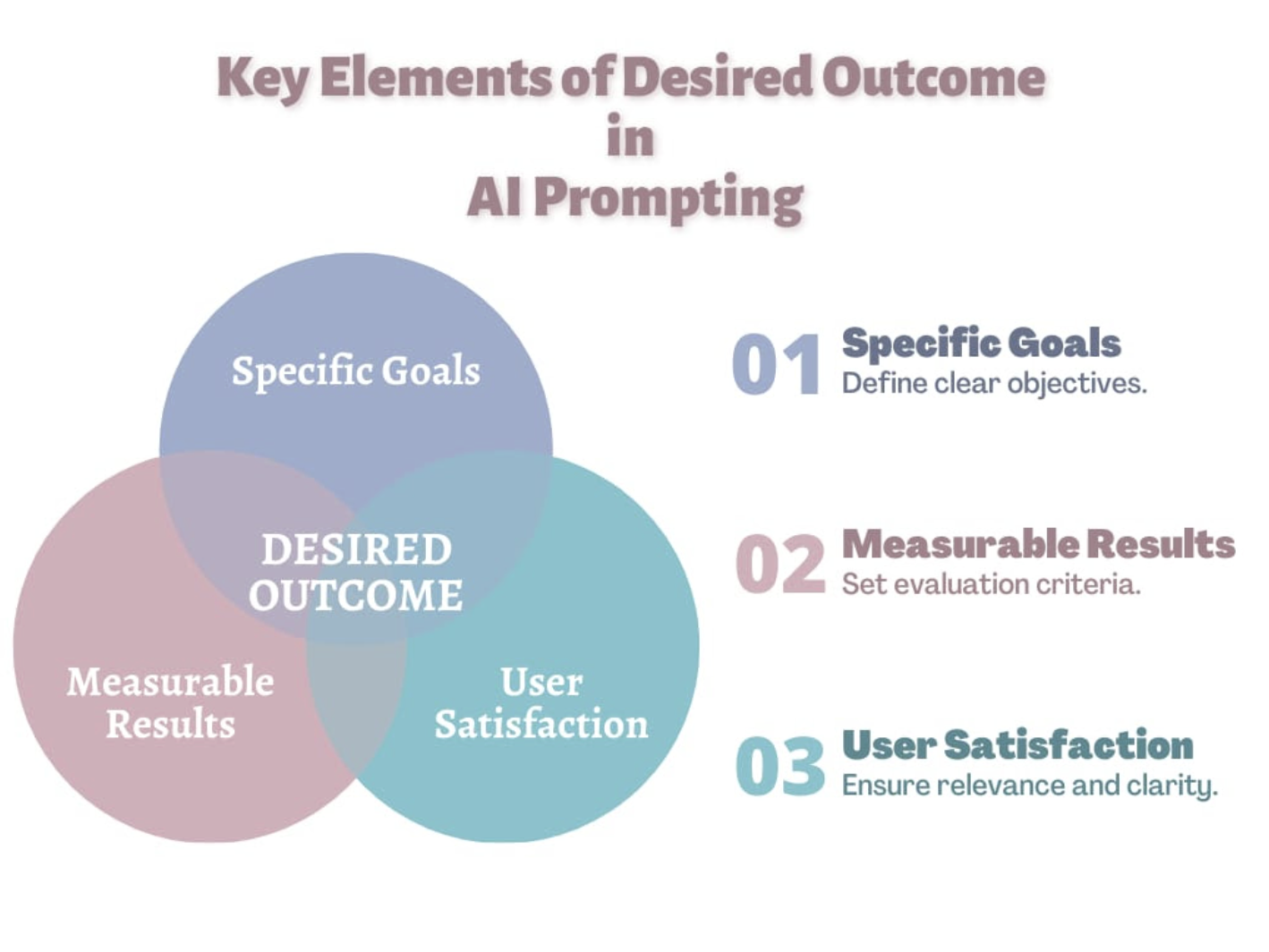
Artificial intelligence (AI) prompting is a skill of precision, and at the heart of every effective prompt is a clear and well-defined desired outcome. Articulating the end goal ensures that AI knows what you, as the user, are trying to achieve, guiding its responses to align with your objectives.
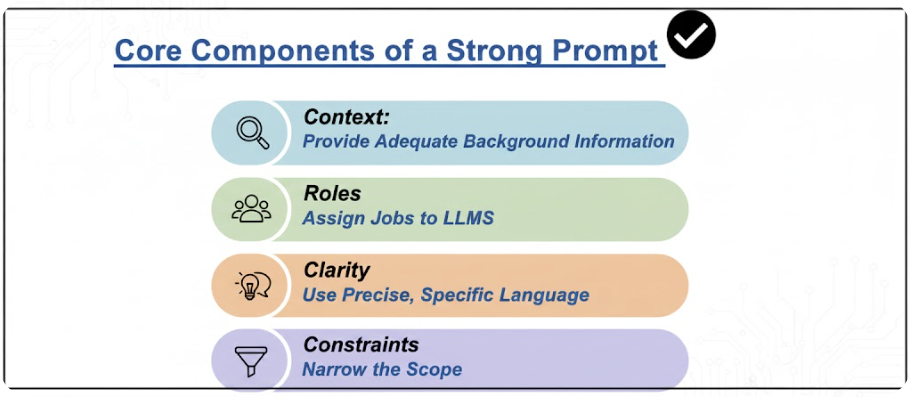
In our previous newsletters, we discussed the importance of context, role assignment, clarity and constraints in crafting robust AI prompts. Today, we focus on the next critical element: defining the desired outcome.
Without a clear goal, even the most sophisticated AI models may produce responses that fall short of expectations. Vague or ambiguous prompts create room for misinterpretation, often resulting in outputs that require further refinement. By clearly articulating the desired outcome, you narrow the focus, enabling the AI to align its response with your objectives while saving time and minimizing unnecessary back-and-forth.
How to Articulate the End Goal Effectively
A great way to articulate the end goal is by explicitly stating what you want the AI to deliver—whether it’s a ranked list, a detailed analysis, or a concise summary. Here are two examples that demonstrate this principle in action:
Example 1: Portfolio Diversification Ideas
Ineffective Prompt:
"Suggest portfolio diversification strategies."
Effective Prompt:
"Provide three portfolio diversification strategies for an investor with a portfolio of $20,000 and who is aiming for low-risk exposure to emerging markets over the next five years. Include potential asset allocations and historical performance data. Please provide references."
Why it Works: This prompt specifies the desired outcome (three strategies), the audience (investor with a definite amount to invest), the goal (low-risk exposure), the focus area (emerging markets), and actionable deliverables (allocations and performance data).
Example 2: Industry Trend Analysis
Ineffective Prompt:
"Tell me about trends in the tech sector."
Effective Prompt:
"Summarize three key trends that have shaped the tech sector in 2024, focusing on artificial intelligence, cloud computing, and cybersecurity. Highlight major players and their recent innovations. Please provide references."
Why it Works: This prompt directs AI to provide a summary, focus on specific trends, and include actionable insights about key players and innovations.

Key Takeaway
Clearly articulating the desired outcome in your AI prompts is essential for achieving relevant and actionable insights. When crafting prompts, always ask yourself: What am I trying to accomplish? What format or detail level do I need? A well-defined end goal transforms your prompt into a powerful tool for extracting value from AI, streamlining workflows, and maximizing efficiency.
In the next edition, we’ll explore the importance of adaptability in AI prompting and how allowing room for exploration can unlock more creative and insightful outputs. Stay tuned!
(Please add our email address to your contact list so that the next newsletter goes into your Inbox folder: investmentWriterAI@investmentwriterai.com)